
RIDE INTELLIGENCE FOR THE MACHINE YOU CHOSE
Know the ride.
Keep the machine.
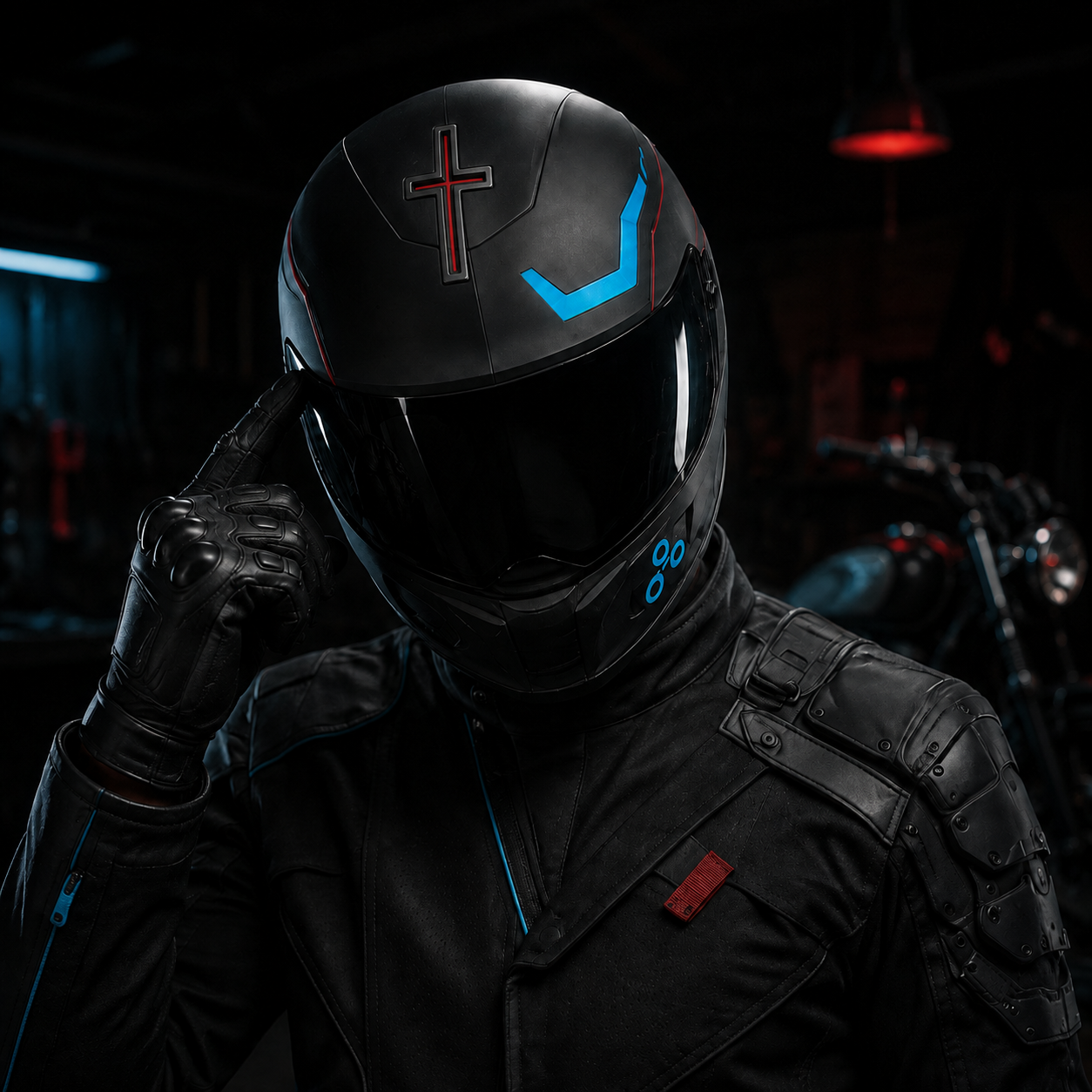
NodeIQ is being built to connect your motorcycle, capture meaningful ride data, and simplify how new intelligence reaches older and custom bikes.
PROTOTYPE PLATFORM • ROAD VALIDATION IN PROGRESS
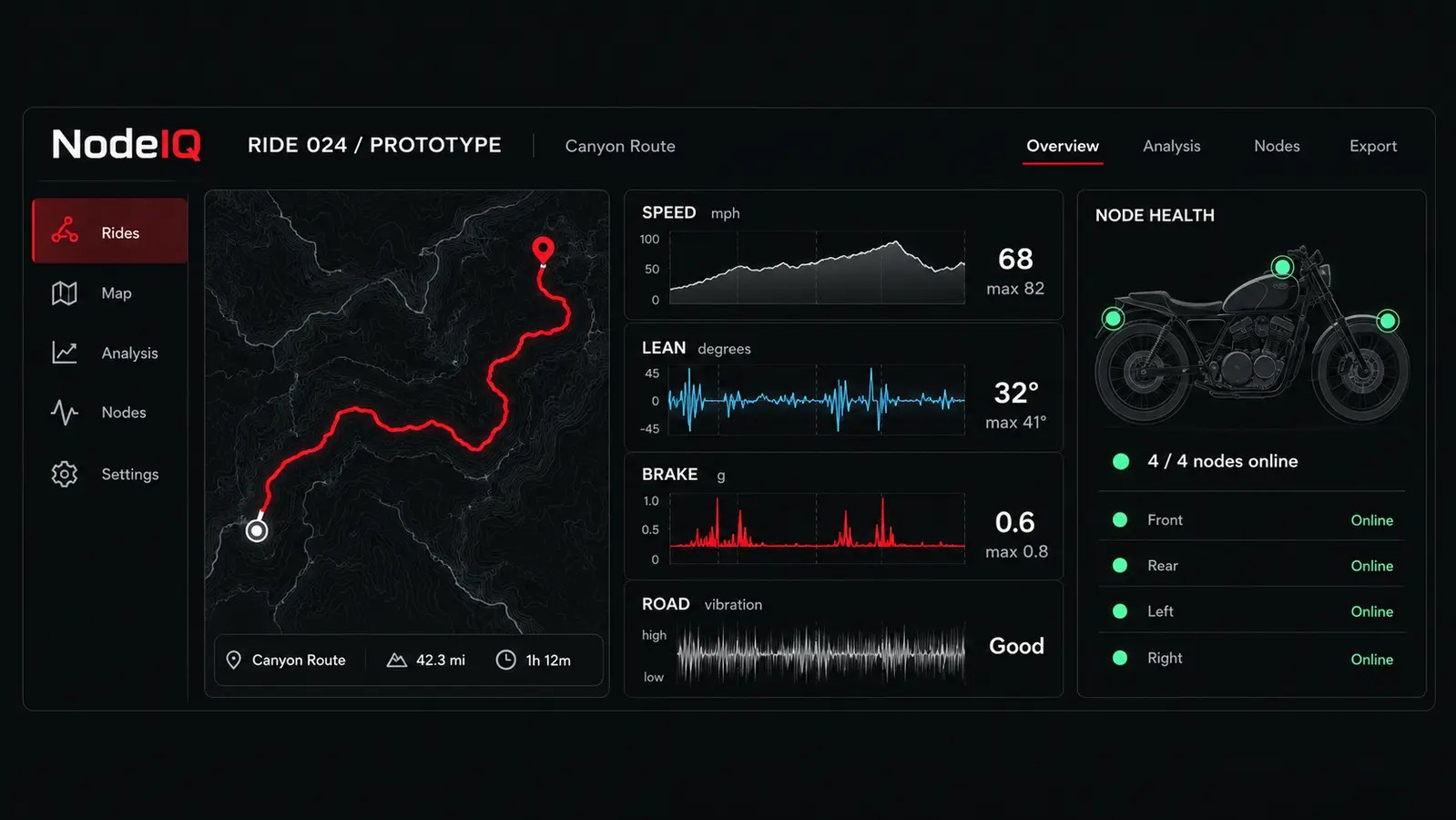
THE RIDE RECORD
Every ride becomes a system check.
One clear record connects the road ahead to what is happening on the bike.
FLAGSHIP FUTURE INTEGRATION / IGNITION
Hardwired where timing matters.
Wireless where intelligence moves.
The planned NodeIQ ignition system will connect directly to engine-critical power, trigger, and coil circuits. It will identify the engine and trigger configuration, execute spark timing locally, and exchange maps, diagnostics, and live data wirelessly with the central hub.
01 / HARDWIRE
Engine-side control
Dedicated connections for power, ground, crank or cam trigger, and ignition output.
02 / DETECT
Automatic setup
Identify cylinder count, trigger pattern, signal behavior, and a compatible starting configuration.
03 / CONNECT
Wireless hub link
Share RPM, advance, dwell, sync state, faults, and configuration without placing the hub in the spark-critical path.
04 / TUNE
Adjustable maps
Build, compare, apply, and roll back timing maps inside a guarded operating envelope.
Critical timing stays local.
The ignition module—not the phone or hub—will schedule every spark. Wireless communication is reserved for configuration, telemetry, diagnostics, and map transfer, with last-known-good operation if the link is unavailable.
Planned integration roadmap
Motion
Lean angle, acceleration, orientation, vibration, and road-quality sensing.
Powertrain
Ignition timing, RPM, dwell, trigger synchronization, and fuel-level interfaces.
Chassis
Tire pressure, brake and switch events, speed signals, and modular vehicle inputs.
Position & health
GPS route, charging state, node batteries, signal strength, and network diagnostics.
Future-development direction. Ignition hardware, detection logic, timing accuracy, safety limits, and map controls remain subject to bench, dyno, and road validation.
NODEIQ SYSTEM
Wireless where it matters.
Wired only to charge.
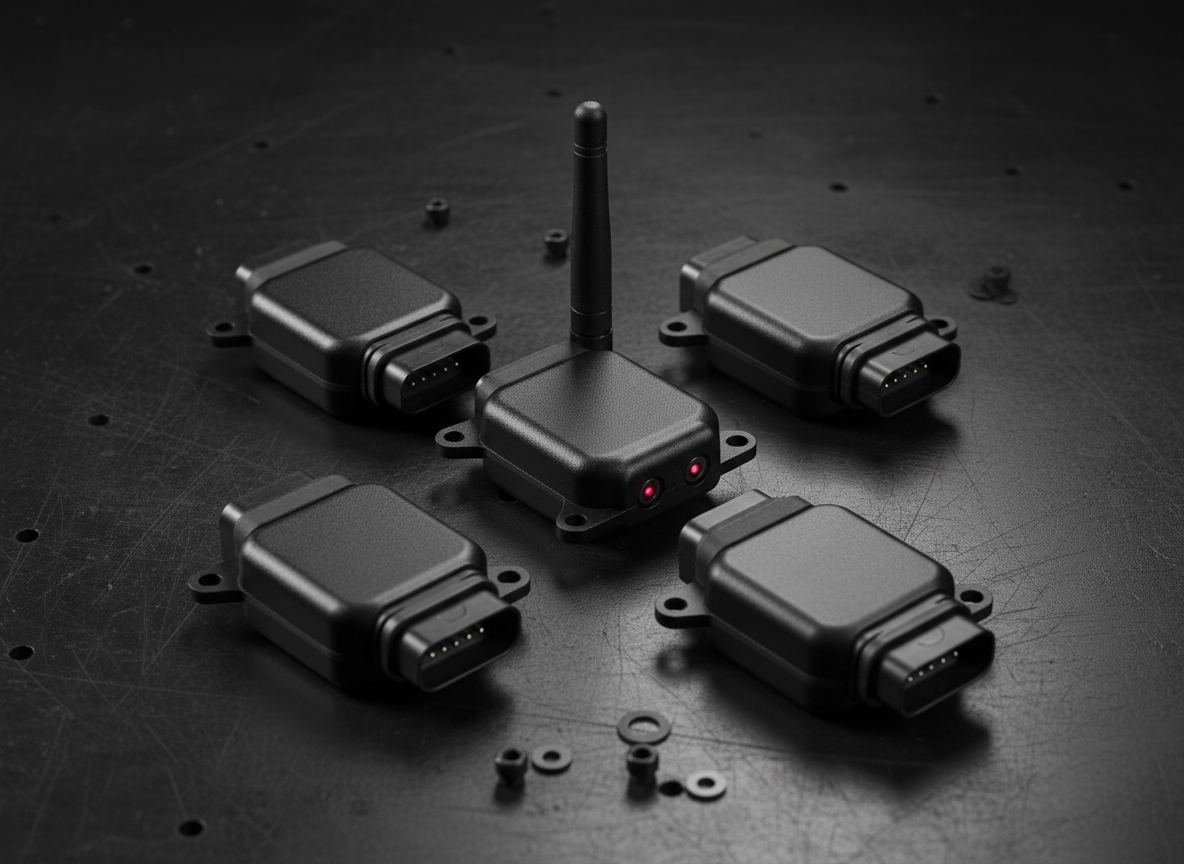
Remote nodes operate from their batteries while riding. A two-conductor backbone replenishes them only when the motorcycle is off.
01 / Leaf Nodes
Ultra-low-power 802.15.4 sensor traffic.
02 / Main Hub
ESP32-C6 coordination and aggregation.
03 / Phone
BLE/Wi-Fi app uplink from the hub.
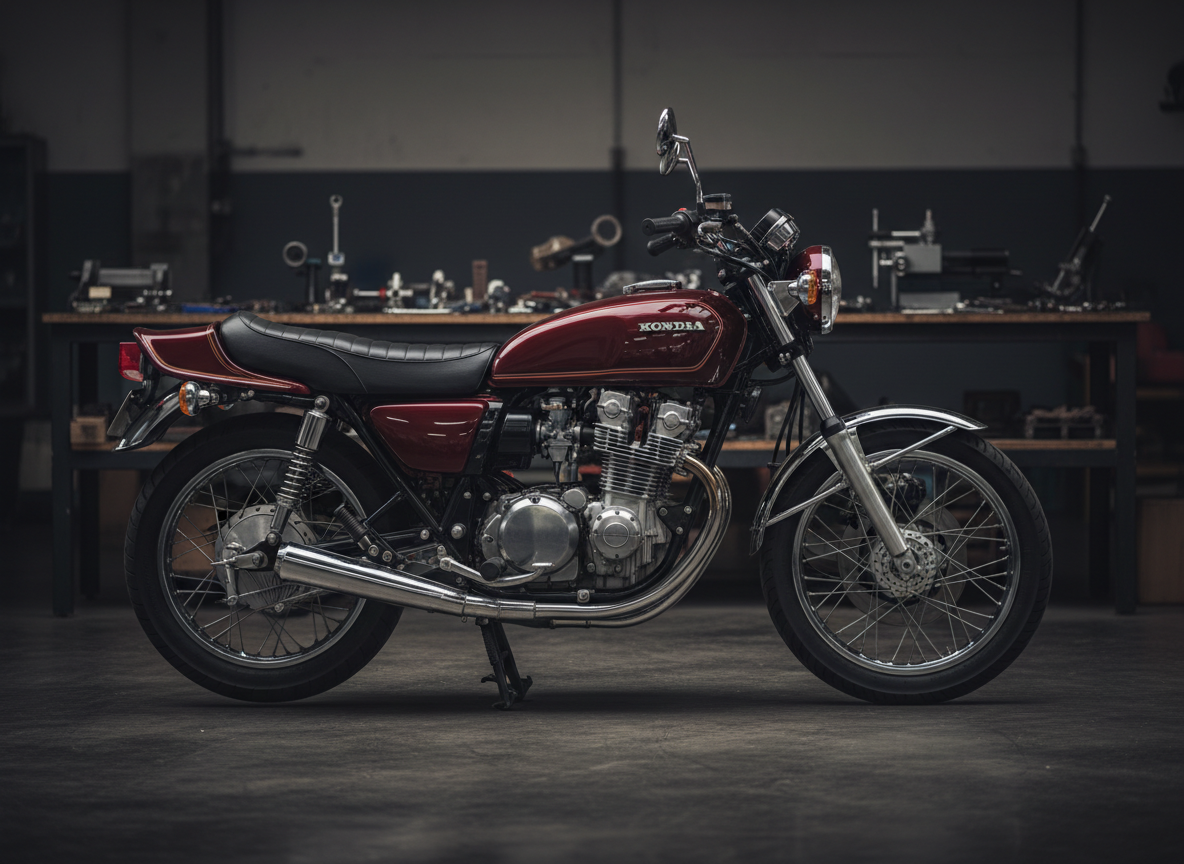
BUILT AROUND THE MOTORCYCLE
Built for the bike.
Useful after the ride.
Ride record
GPS route, speed, lean, braking events, and road vibration in one place.
Diagnostics
Node connectivity, battery state, signal strength, and system health.
Modular expansion
Start with what matters and add capability as the build evolves.

EARLY RIDER PROGRAM
Help build the version worth riding.
Join the development list for progress updates, feedback opportunities, and future pilot recruitment.
 NodeIQ